

Should Halifax Buyers Prioritize Location or Home Size? When buying a home in Halifax, it’s easy to focus on the number of bedrooms, square footage, garage space, or backyard size. But there’s another factor that can have an even greater impact on your daily life and long-term satisfaction: location. For many Halifax home buyers, the decision comes down to a simple question: Should I choose a larger home in a less convenient location, or a smaller home in a neighbourhood that better fits my lifestyle? There isn’t one right answer. The best choice depends on your budget, commute, family needs, lifestyle, and long-term plans. With a wide variety of communities throughout Halifax Regional Municipality (HRM), buyers can find everything from urban properties close to downtown Halifax to larger single family homes in communities such as Bedford, Sackville, Fall River, Timberlea, and Hammonds Plains. Understanding the trade-off between location and home size can help you make a more confident real estate decision. Why Location Matters When Buying a Home in Halifax Location affects much more than your commute. It can influence your lifestyle, access to amenities, future resale potential, and how much you enjoy living in your home. A well-located property may provide easier access to: Work and business districts Schools and childcare Shopping and restaurants Parks and recreational facilities Public transportation Major highways Healthcare services Community amenities For example, someone who works downtown Halifax may place a higher value on a shorter commute than having an additional bedroom. Similarly, a family may prioritize proximity to schools, parks, and community facilities over having the largest possible house. Why Home Size Matters While location is important, the size and layout of your home also have a major impact on your everyday life. A larger home can provide: Additional bedrooms More living space A home office Larger storage areas Space for growing families Larger yards Room for hobbies and entertaining For families planning to stay in their home for many years, additional space may be worth prioritizing. However, bigger doesn’t always mean better. A larger home can also mean higher property taxes, utility costs, maintenance expenses, and renovation costs. Location vs. Home Size: Which Should You Prioritize? The answer depends on your priorities. Before deciding, think about how you expect to use your home over the next five to ten years. Choose Location First If: Your commute is important.If you spend significant time travelling to work, choosing a convenient location could improve your quality of life every day. You value walkability and amenities.If you enjoy having restaurants, shops, parks, and services nearby, location may be more important than additional square footage. You plan to sell in the future.A desirable location can be an important consideration when it comes time to sell your home. You don’t need a lot of space.If you’re a couple, downsizer, or someone who doesn’t need multiple bedrooms, paying for additional space may not make financial sense. Choose Home Size First If: You have a growing family.Additional bedrooms and living space can become extremely valuable as your family grows. You work from home.A dedicated office can make a major difference if you work remotely. You enjoy entertaining.Larger kitchens, dining areas, and living spaces may be worth prioritizing. You plan to stay long term.If you expect to remain in your home for many years, choosing a property that can accommodate future needs may be more important. How Halifax Buyers Can Find the Right Balance You don’t necessarily have to choose between location and space. The key is identifying which features are non-negotiable and which ones you’re willing to compromise on. Start by creating three lists: Must-Haves These are features you aren’t willing to compromise on. Examples include: Minimum number of bedrooms Specific school requirements Maximum commute time Preferred community Maximum purchase price Nice-to-Haves These features would be great but aren’t essential. Examples include: Finished basement Garage Large backyard Walk-in closet Additional bathroom Deal Breakers Identify issues that would immediately eliminate a property from consideration. This simple exercise can make your home search much more focused. Consider Your Commute For Halifax home buyers, commute time can be one of the biggest factors when comparing communities. A larger home may seem like a great deal until you consider how much additional time you spend commuting each day. Think about your regular travel patterns and consider: How long is the commute? Are major highways nearby? Is public transportation available? How often will you travel downtown? Will your commute change in the future? If you’re relocating to Halifax, it’s particularly important to understand how different HRM communities connect to the areas where you work and spend your time. Think About Your Future Lifestyle Your ideal home today may not be your ideal home five years from now. Before buying, consider what your life could look like in the future. Are you planning to: Start or grow a family? Work from home? Have family members move in? Adopt pets? Entertain more often? Downsize later? A home that works for your current lifestyle but cannot accommodate your future needs may become restrictive. On the other hand, buying significantly more space than you need can result in higher costs without providing much additional value. Halifax Communities Offer Different Options One of the advantages of buying in Halifax and HRM is the variety of communities available. Buyers can explore urban, suburban, and more spacious residential environments depending on their priorities. Halifax Buyers who prioritize accessibility, amenities, restaurants, entertainment, and proximity to downtown may prefer Halifax neighbourhoods. Dartmouth Dartmouth offers a mix of established neighbourhoods, housing options, amenities, and convenient connections to Halifax. Bedford Bedford can be appealing to buyers looking for established residential communities, family-oriented amenities, and a suburban lifestyle. Sackville Lower Sackville and Middle Sackville offer a variety of housing options and can appeal to buyers looking for more space while remaining within HRM. Fall River and Hammonds Plains Buyers prioritizing larger lots, more privacy, and additional space may want to explore communities such as Fall

Is August a Good Time to Buy a Home in Halifax?
Is August a Good Time to Buy a Home in Halifax? If you’re thinking about buying a home in Halifax, you may be wondering whether August is a good time to make a move. Summer can be an active period for real estate, but buying a home isn’t simply about choosing the “best” month. Your budget, financing, preferred neighbourhood, available inventory, and personal timeline all play an important role. For many Halifax home buyers, August can present some interesting opportunities. There may still be a good selection of homes available, while some sellers may be more motivated as summer begins to wind down. Whether you’re a first time home buyer in Halifax, moving to the HRM, looking for a single family home, or searching for a condo or townhouse, understanding the seasonal market can help you approach your search with greater confidence. So, is August a good time to buy a home in Halifax? The answer depends on your situation, but there are several reasons why August can be worth considering. What Is the Halifax Real Estate Market Like in August? The Halifax real estate market can change throughout the year based on inventory, buyer demand, interest rates, economic conditions, and local market trends. August falls toward the end of the traditional summer real estate season. Buyers who began searching earlier in the summer may already have purchased, while new buyers may continue entering the market. For buyers, this can create an interesting balance between available homes and competition. Rather than focusing only on whether August is considered a “buyer’s month” or “seller’s month,” it’s more useful to look at the specific conditions affecting the Halifax and HRM market when you’re ready to purchase. Factors worth considering include: Number of homes currently available New listings entering the market Recent comparable sales Local neighbourhood demand Average days on market Mortgage rates and financing conditions Property prices Competition from other buyers A local Halifax REALTOR® can help you understand these factors in the context of the specific property you’re considering. 5 Reasons August Can Be a Good Time to Buy a Home in Halifax 1. You May Still Have a Good Selection of Homes One of the biggest advantages of shopping for a home in August is that there can still be a variety of properties available. Depending on the market, buyers may find: Single family homes Townhouses Condos Semi detached homes New construction Investment properties If you already know what type of property you want, August can be a good opportunity to compare several options and determine what provides the best value. However, inventory varies significantly by neighbourhood. A buyer looking for a single family home in Bedford may have a very different experience from someone searching for a condo in downtown Halifax. 2. Some Sellers May Be More Motivated By August, some homeowners who listed earlier in the summer may be looking to move forward with their plans. This doesn’t mean every seller will be willing to negotiate heavily. However, properties that have been on the market for a longer period may provide opportunities for buyers to have more meaningful conversations around price and conditions. Your REALTOR® can review the listing history, comparable sales, and current market conditions before helping you decide whether an offer makes sense. 3. You Can Take Advantage of Late Summer Competition While Halifax can remain active throughout the summer, buyer competition may vary from property to property. If fewer buyers are competing for a particular home, you may have more opportunity to carefully evaluate the property rather than feeling pressured to make a decision immediately. That can be particularly valuable for first time home buyers in Halifax, who may be navigating the purchasing process for the first time. Still, desirable homes in popular Halifax and HRM neighbourhoods can attract significant attention regardless of the month. 4. You Can Get Settled Before Fall For buyers who want to move before the new school year, changing seasons, or a busy fall schedule, purchasing in August can make practical sense. Getting your purchase completed during late summer can give you time to: Plan your move Set up utilities Complete renovations Furnish your new home Organize your household Become familiar with your new neighbourhood For families relocating to Halifax or moving between HRM communities, timing can be particularly important. 5. You Can Start Planning for the Fall Market Buying in August doesn’t necessarily mean you need to rush. If you don’t find the right property, you can continue monitoring the Halifax real estate market and see how inventory changes heading into September and the fall. The important thing is to avoid purchasing simply because you’re worried you’ll miss out. The right home should make sense for your budget, lifestyle, and long-term plans. What Should Halifax Home Buyers Watch for in August? August can provide opportunities, but buyers should still approach the market carefully. Home Price and Market Value Don’t assume that the asking price represents the true market value of a home. Look at comparable properties that have recently sold in the same area. Factors such as lot size, renovations, age, condition, location, and property type can significantly affect value. A Halifax REALTOR® can help you understand how a particular property compares with recent sales Property Condition Summer listings can sometimes look their best because landscaping, gardens, and outdoor spaces are at their peak. Look beyond the first impression. Pay attention to: Roof condition Windows Foundation Heating systems Plumbing Electrical systems Insulation Drainage Age of major appliances A professional home inspection can provide additional information before you finalize your purchase. Is August a Good Time for First Time Home Buyers in Halifax? For first time home buyers, August can be a good time to explore the Halifax market, especially if you have already completed your financial preparation. Before starting your home search, consider getting a mortgage pre approval so you understand your purchasing power. You should also budget for expenses beyond the down payment, including: Legal fees Home

How to Choose the Right Halifax REALTOR® for Your Real Estate Journey
How to Choose the Right Halifax REALTOR® for Your Real Estate Journey Buying or selling a home is one of the biggest decisions you will make, and choosing the right REALTOR® can make a significant difference in your experience. Whether you are a first time home buyer searching for your dream home, a growing family looking for a larger property, or a homeowner preparing to sell in Halifax, having the right real estate professional by your side provides confidence and peace of mind. The Halifax real estate market continues to attract buyers and sellers from across Nova Scotia and beyond. With diverse communities, changing market conditions, and many different property types available, working with a knowledgeable Halifax REALTOR® who understands the local market can help you make smarter decisions. A great REALTOR® does more than show homes or list properties. They provide market insights, negotiate on your behalf, understand neighbourhood trends, and guide you through every step of the real estate process. But with so many options available, how do you choose the right Halifax real estate agent for your needs? Why Choosing the Right Halifax REALTOR® Matters The REALTOR® you choose can directly impact your buying or selling experience. A knowledgeable real estate professional can help you avoid costly mistakes, understand current market conditions, and make informed decisions. For buyers, the right Halifax REALTOR® can help you: Find homes that match your lifestyle and budget Understand different Halifax neighbourhoods Navigate multiple offer situations Negotiate confidently Complete the buying process smoothly For sellers, an experienced REALTOR® can help you: Determine the right listing price Prepare your home for the market Attract qualified buyers Market your property effectively Negotiate the best possible offer Real estate is not just about transactions. It is about understanding your goals and creating a strategy that works for you. 1. Look for Local Halifax Real Estate Experience One of the most important factors when choosing a REALTOR® is local market knowledge. A REALTOR® who understands the Halifax real estate market can provide valuable insights that go beyond what you see online. They understand neighbourhood differences, property values, market trends, and what makes each community unique. Halifax Regional Municipality (HRM) includes a wide range of communities, each offering different lifestyles and housing opportunities. A local Halifax REALTOR® should understand areas such as: Halifax Dartmouth Bedford Lower Sackville Middle Sackville Fall River Cole Harbour Timberlea Hammonds Plains Clayton Park West Bedford Eastern Passage Whether you are searching for a family-friendly neighbourhood, a first home, a waterfront property, or an investment opportunity, local expertise helps you make better decisions. 2. Choose a REALTOR® Who Understands Your Goals Every buyer and seller has different priorities. A first time home buyer may need help understanding mortgages, closing costs, inspections, and the overall buying process. A growing family may need guidance finding a community with more space, amenities, and long-term value. A homeowner selling their property may want advice on pricing, preparation, marketing, and timing. The right Halifax REALTOR® takes the time to understand: Your budget Your timeline Your preferred neighbourhoods Your lifestyle needs Your short-term and long-term goals A successful real estate journey starts with understanding what matters most to you. 3. Review Their Communication Style Communication is one of the biggest differences between an average REALTOR® and an exceptional one. Buying or selling a home involves many moving parts, including showings, offers, negotiations, inspections, paperwork, and deadlines. Your REALTOR® should keep you informed throughout the process and make it easy for you to ask questions. Before choosing a Halifax REALTOR®, consider: Are they responsive? Do they explain things clearly? Do they listen to your concerns? Do they provide regular updates? Do you feel comfortable working with them? A strong relationship between you and your REALTOR® creates a smoother and more enjoyable experience. 4. Look at Their Marketing Strategy for Sellers If you are selling your home in Halifax, marketing plays a major role in attracting buyers. A strong Halifax REALTOR® should have a clear strategy for presenting your property and reaching potential buyers. Ask about: Professional photography MLS® listing exposure Online marketing Social media promotion Buyer networks Property descriptions Showing strategies The goal is not just to list your home. The goal is to create interest, attract qualified buyers, and achieve the best possible outcome. 5. Understand Their Knowledge of Halifax Neighbourhoods The right neighbourhood can be just as important as the right home. A knowledgeable Halifax REALTOR® can help you understand: Local amenities Schools Transportation options Community atmosphere Future development Property values For example, a buyer looking for a quiet suburban lifestyle may prefer communities like Bedford, Fall River, or Hammonds Plains. Someone looking for urban convenience may prefer areas closer to downtown Halifax or Dartmouth. Exploring neighbourhood guides before buying can help you make a more informed decision. 6. Consider Their Negotiation Skills Negotiation is one of the most valuable skills a REALTOR® provides. Whether you are buying or selling, negotiations can impact the final outcome. A skilled Halifax REALTOR® understands: Market value Offer strategies Contract details Buyer and seller motivations How to protect your interests For buyers, strong negotiation can help secure the right home at a fair price. For sellers, effective negotiation can help maximize your home’s value. 7. Read Reviews and Client Testimonials Client reviews can provide valuable insight into a REALTOR®’s service, communication, and professionalism. Look for feedback about: Responsiveness Market knowledge Negotiation ability Professionalism Overall experience A REALTOR® who consistently provides excellent service will often have clients who are willing to share their experiences. 8. Choose Someone You Trust Real estate is a personal journey. You want to work with someone who makes you feel comfortable, informed, and confident. The right Halifax REALTOR® should feel like a trusted advisor, not just someone helping with a transaction. Choose someone who: Listens to your needs Provides honest advice Understands Halifax real estate Communicates clearly Supports you from start to finish Questions to Ask Before Hiring a Halifax REALTOR® Before choosing your REALTOR®, consider asking:
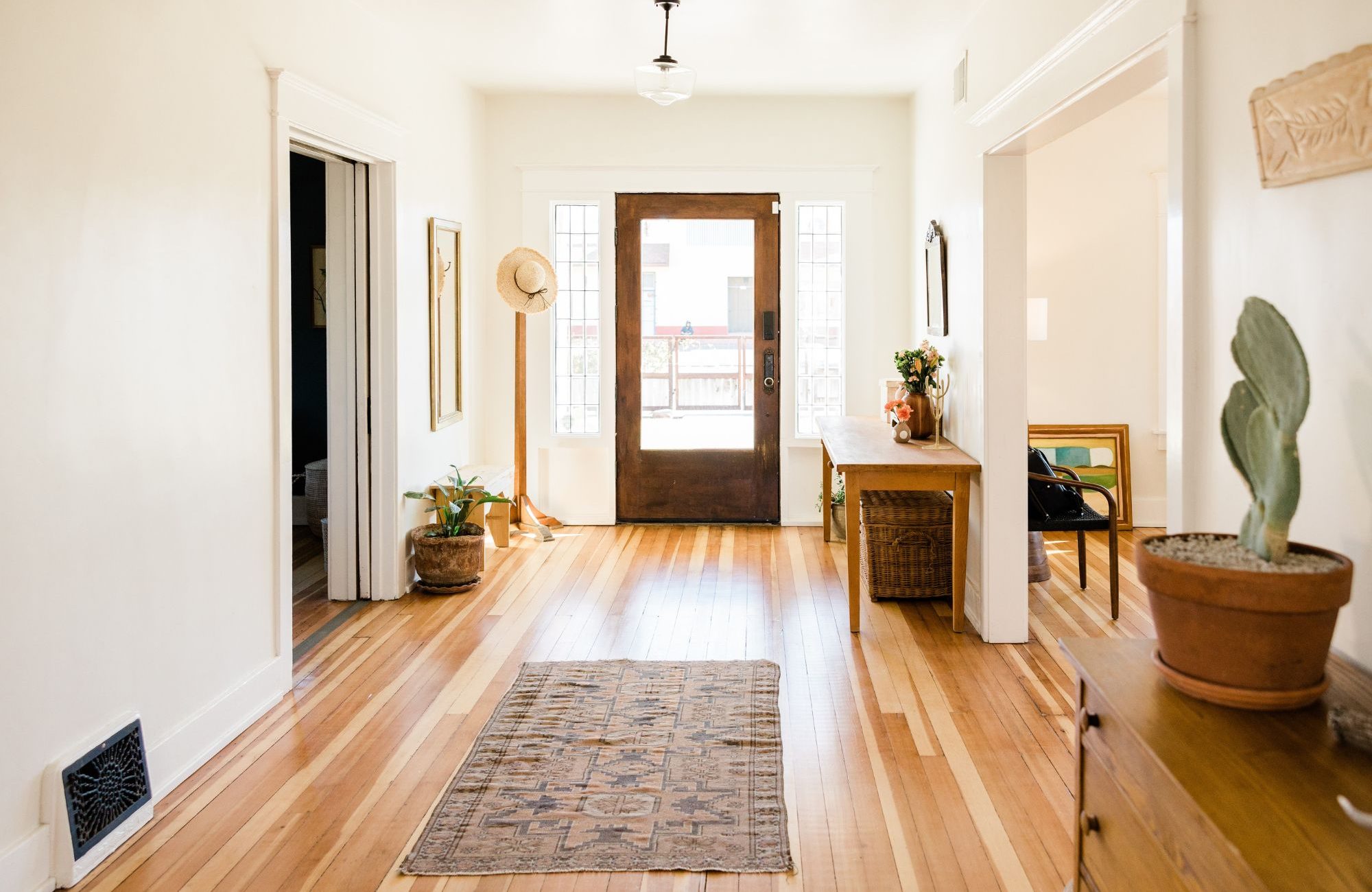
What Could Your Home Be Worth This Spring?
What Could Your Home Be Worth This Spring? Spring is traditionally one of the busiest seasons in real estate. As the weather improves and more buyers begin actively searching for homes, many homeowners start asking the same question: What could my home be worth in today’s market? The truth is, your home’s value isn’t determined by one simple number. It’s based on several key factors including recent sales in your area, current market demand, inventory levels, location, and the overall condition of your property. That’s where a Comparative Market Analysis (CMA) comes in. A CMA looks at recently sold homes, current listings, and expired listings to help determine a realistic price range for your property. It gives homeowners a clearer understanding of what buyers are currently willing to pay in the market, not just what homes are listed for. How to Get Top Dollar for Your Property 1. Price It Correctly From the Start Pricing a home accurately is one of the most important factors in attracting serious buyers. Homes that are priced well from the beginning tend to generate more interest, more showings, and often stronger offers. The first 2 weeks on market is vital, as this is when there is most interest from prospective buyers. 2. Focus on First Impressions Curb appeal plays a major role in how buyers perceive a property. Simple improvements like fresh landscaping, clean walkways, or adding a fresh coat of paint can make a big difference. 3. Declutter and Stage the Home Staging helps buyers envision themselves living in the space. Removing excess furniture and personal items helps rooms feel larger and allows the home’s features to stand out. 4. Invest in Professional Marketing High-quality photography, strong listing descriptions, and effective online exposure are essential in today’s market. Did you know, 90% of viewings in today’s market come from an online presence? Making a strong digital first impression is critical. 5. Understand Market Timing Spring often brings more buyers into the market, which can increase competition for well-presented homes. Listing at the right time can help maximize exposure and buyer interest. Conclusion A strong spring market can create a great opportunity for homeowners thinking about making a move. Whether you’re simply curious about your home’s value or seriously considering selling, understanding today’s market is the first step toward making an informed decision. With the right pricing strategy, preparation, and marketing plan, you can position your home to stand out and attract strong buyer interest this season. If you’d like to learn what your home could be worth in today’s market, feel free to reach out for a free, no-obligation Comparative Market Analysis.

2025 Halifax Real Estate Market Review 📈
2025 Halifax Real Estate Market Review As we close out 2025, the Halifax Regional Municipality (HRM) real estate market has remained stable, with steady price growth and shifting inventory levels. Here is the 2025 Halifax Real Estate Market Review. Below, we highlight the key market statistics that matter most to buyers and sellers. 📊 2025 Market Snapshot — Key Numbers Metric 2025 Result Trend vs. 2024 Residential Sales (Halifax-Dartmouth) 4,998 units (YTD to Nov) Slight decline year-over-year (-0.6%) Average Home Price (Halifax-Dartmouth) $602,378 (YTD to Nov) Up 3.9% YoY Total Residential Listings 6,819 in Halifax-Dartmouth Up 7.6% YoY Average Days on Market (HRM) 36 days (YTD) Slightly longer than 2024 Months of Inventory (NS) 5.5 months Up from 4.3 months Average Home Prices — Continued Growth Home prices in Halifax continued to appreciate through 2025. According to NSAR data compiled by CREA: The average residential sale price in Halifax-Dartmouth climbed to approximately $602,378 in 2025, a near 3.9% increase from the same period in 2024. This steady year-over-year price growth indicates that Halifax remains attractive for both local homebuyers and newcomers, particularly those relocating from higher-cost markets in Ontario and Western Canada. Sales Activity — Stable Yet Slightly Softer Transaction volumes in Halifax have not pushed significantly higher, reflecting a more balanced market compared with the frenzied conditions seen in 2021–2024: Halifax-Dartmouth recorded just under 5,000 sales (YTD to November), a modest decline of around 0.6% compared with the prior year. Days on Market & Inventory — A Balanced Market Emerging One of the most meaningful shifts this year has been in how long homes are taking to sell: Average days on market in Halifax-Dartmouth increased to 36 days by the end of Q4 2025, up slightly from the prior year. Longer marketing times generally signal that buyers are taking more time to evaluate properties, a shift from the rapid bidding wars from the previous years. Inventory levels have also grown: Total residential listings in Halifax-Dartmouth reached over 6800 units, approximately 7.6% higher than at the end of November 2024. More listings, combined with slightly lower sales, have contributed to a more balanced supply-demand environment, beneficial for buyers and easing some upward price pressure. What This Means for Buyers & Sellers For Buyers More options: Increased inventory gives buyers real choice, especially in the single-family segment. Balanced negotiations: Homes are taking a bit longer to sell, which can translate into more leverage in negotiations. Steady price growth: Prices are still rising, though not at unsustainable rates, making 2025 a transitional year toward normalizing market conditions. For Sellers Still a seller’s market in many segments: Despite cooling from peak frenzy conditions, desirable properties (especially in central Halifax, Bedford, and Dartmouth) continue to perform well. Marketing strategy is key: With longer days on market then 2021–2024, pricing and presentation have become more important to secure timely offers. Conclusion The 2025 Halifax real estate market has been defined by gradual price appreciation, stabilizing sales volume, and increasing inventory, all pointing toward a more balanced market than we’ve seen recently. As we move into 2026, paying attention to inventory trends, mortgage rate shifts, and demographic flows will be key for REALTORS®, investors, and families planning their next move.

5 Home Updates That Can Help Increase Property Value
5 Home Updates That Can Help Increase Property Value Whether you’re thinking about selling soon or simply want to invest in your home’s long-term value, strategic updates can make a big difference. The good news? You don’t always need a full renovation to see a strong return. Focusing on improvements that buyers prioritize can help your home show better, sell faster, and potentially command a higher price. Here are 5 home updates that can help increase property value. 1. Kitchen Refresh As one of the most used spaces in a home, the kitchen can greatly influence a buyer’s impression. Small updates can go a long way, and a simple refresh can often make the room feel brand new. Focus on key areas such as: Countertops: Replace outdated laminate with quartz countertops. Cabinets: Refacing or repainting cabinets can give them a fresh look. Backsplash: Add a stylish but budget-friendly backsplash such as subway tile, creating a more modern or classic look. Appliances: Stainless steel appliances are a popular choice for their sleek, modern appearance and durability. Lighting: Replace outdated light fixtures with brighter, contemporary options. Buyers love kitchens that feel clean, functional, and move-in ready. Even modest improvements can instantly elevate the space. 2. Bathroom Upgrades Bathrooms are another key selling feature. A well-maintained bathroom stands out to buyers, signalling attention to detail and overall upkeep throughout the home. Vanities and countertops: swapping out outdated materials or styles can instantly refresh the space. Fixtures: Replace old faucets, showerheads, and cabinet hardware with modern versions. Lighting: plays a huge role in how spacious and welcoming a bathroom feels. Consider brighter, energy-efficient fixtures or layered lighting for a more luxurious vibe. Mirrors and storage: Upgrades not only add style but also enhance practicality, giving the room a clean, organized appearance. Tiles: Refresh the bathroom with new tiles or regrouting existing tiles to give them a cleaner look. When a bathroom feels bright, fresh, and updated, it sends a powerful message to buyers – the home has been well-maintained and likely won’t require costly updates in the near future. 3. Boost Curb Appeal First impressions matter! Before a buyer even walks through the door, they’re forming an opinion and the exterior sets the tone. Landscaping: Keep the lawn mowed, plant flowers, and trim bushes. Consider adding mulch to garden beds for a polished look. Exterior Paint: A fresh coat of paint can transform your home’s appearance. Choose neutral colours to appeal to a broader audience. Adding exterior lighting: Will help highlight architectural features, illuminate walkways, and create a safe, welcoming environment after dark. Front Door: A new front door or a fresh coat of paint on the existing one can make your home more inviting. Power-washing siding, steps, or walkways: Doing this will remove dirt, grime, and mildew, instantly brightening your home’s exterior. Even these relatively small enhancements can dramatically improve how your home is perceived. They signal thoughtful upkeep, making the property more inviting and potentially raising its value, all at a fraction of the cost of extensive renovations. 4. Fresh Interior Paint A fresh coat of paint can do wonders for your home’s interior. Stick to neutral colours like light beige, light gray, or off-white to appeal to the widest range of buyers. This update is relatively inexpensive but can have a big impact on the overall feel of your home. Top reasons to repaint: Brightens rooms and improves natural light. Covers scuffs, scratches, and signs of wear. Helps unify the home with a consistent colour palette. Makes spaces feel larger and more open. A fresh coat of paint brightens rooms, creates a clean, inviting feel, and helps buyers envision themselves in the space. Neutral tones give buyers the flexibility to envision and make changes without conflict. Using neutral tones gives them the freedom to personalize the space to their own taste. 5. Updated Flooring Worn or outdated flooring can make even a well-maintained home feel tired. Updating your floors is a powerful way to modernize the entire property. The following are some of the best options to create a modern feel throughout your home: Luxury vinyl plank (durable and budget-friendly). Hardwood or engineered hardwood. Consider updating to modern tile or laminate flooring in areas such as the kitchen and bathroom. Replace old carpets with new ones in neutral colours. Consistent flooring throughout the main living areas also helps the home feel more spacious and cohesive. Conclusion When it comes to increasing property value, you don’t need to overhaul your entire home. By focusing on updates that matter most to today’s buyers such as kitchens, bathrooms, flooring, paint, and curb appeal you can dramatically improve your home’s appeal and overall marketability. If you’re considering selling and want personalized advice on which updates will make the biggest impact in your neighbourhood, I’d be happy to help. Feel free to reach out anytime!

Thinking About Downsizing? Here’s What You Need to Know
Thinking About Downsizing? Here’s What You Need to Know Downsizing has become an increasingly popular move for homeowners at every stage of life. Whether you’re looking to simplify your lifestyle, reduce housing costs, or transition into a home that better suits your current needs, downsizing can be a refreshing and rewarding change. But like any major decision, it comes with important considerations. If you’re thinking about downsizing, here’s what you need to know. A helpful guide to what the process involves and how to decide if it’s the right move for you. 1. Why People Choose to Downsize Downsizing isn’t just a financial decision, it’s often a lifestyle choice. Homeowners consider moving to a smaller property for several reasons: Less Maintenance – A smaller home typically means less cleaning, yard work, and upkeep. Many buyers welcome the idea of spending more time enjoying life rather than tending to a large property. Lower Monthly Costs – Lower mortgage payments, utility bills, property taxes, and insurance. For many, downsizing helps free up monthly cash flow or support retirement goals. A Better Fit for Your Lifestyle – Life is constantly changing, and your home should support your current lifestyle. What once felt like the perfect space for a growing family may now feel oversized, difficult to maintain, or even isolating. Downsizing gives you the opportunity to select a home that matches your day-to-day needs, whether that’s easier mobility, less upkeep, or simply a cozier, more manageable space. Opportunity to Unlock Equity – If you’ve built significant equity in your home, downsizing can release those funds for investment, retirement, or future goals. 2. Signs It Might Be Time to Downsize If your contemplating if now is the right time, here are some common indicators; You’re using only a portion of your current home Maintenance tasks or large repairs feel overwhelming You’d like to reduce monthly expenses You’re planning more travel or a lifestyle shift You want to move closer to family, amenities, or medical services If several of these resonate with you, downsizing might be worth exploring. 3. Choosing the Right Type of Home Once the decision is made, determining what type of property best suits your needs is the next step. Condo Living – Condos are a popular choice for people looking to downsize seeking low-maintenance living. They often offer amenities like fitness rooms, parking, or security, without the burden of exterior upkeep. Townhouse – Townhomes blend the comfort of a house with reduced maintenance responsibilities and can be an ideal middle-ground. Smaller Single-Family Homes – For those who still want yard space or more privacy, a smaller detached home can be a great fit. Accessible Properties – Homes with fewer stairs, wider layouts, or one-level living can help ease your lifestyle. 4. Understanding the Financial Side Before making the transition, take time to review the financial impacts: What will your new housing costs be? How much equity will you have left after purchasing your next home? Are there tax considerations? Will you need bridge financing or temporary accommodation during the move? This is a very important step, make sure to take time to speak with a REALTOR® and a financial advisor can help provide clarity and peace of mind as you plan. 5. Working With a REALTOR® Who Understands Downsizing Downsizing involves big decisions, and having a knowledgeable real estate professional by your side makes the process easier. From helping you prepare your current home for sale to finding the perfect property for the next chapter, the right support can make all the difference. As a Halifax-based REALTOR®, I help clients navigate downsizing with confidence. Offering guidance on pricing, staging, decluttering, and finding a home that truly fits your lifestyle and goals. Conclusion Downsizing is about creating a life with more freedom, comfort, and financial flexibility. Whether you’re approaching retirement, seeking a simpler lifestyle, or just ready for a change, the key is planning ahead and getting the right advice. If you’re considering downsizing and want to talk through your options, I’d be happy to help you explore what the next step could look like.

Key Benefits of Staging Your Home 🏡
Key Benefits of Staging Your Home 🏡 When it comes to selling your home, first impressions matter more than ever. In today’s competitive real estate market, buyers scroll through dozens of listings online before ever stepping foot inside a property. Staging your home can be the key difference between blending in and standing out, and I’m here to highlight the benefits of staging your home before listing. 1. Staging Helps Buyers Visualize Themselves Living There Most buyers struggle to imagine an empty or cluttered space as their future home. By thinking like a buyer, staging focuses on creating spaces that feel functional, inviting and a welcoming atmosphere that highlights a home’s best features. The goal is to allow buyers to envision their own daily routines and lifestyle in each room, whether it’s enjoying morning coffee in the kitchen or unwinding in a cozy living area. From well-placed furniture to tasteful decor, staging turns rooms into experiences and that emotional connection is powerful. 2. Your Home Shows Better in Photos (Where Buyers See It First) Over 90% of buyers start their home search online, which means your listing photos need to shine. Staged homes photograph significantly better – rooms look more spacious, balanced, and inviting. High-quality visuals not only attract more clicks but also encourage more buyers to book a viewing. Simply put, good staging can dramatically improve your home’s online presence. 3. Creating a Lasting First Impression In today’s fast-paced market, buyers often make snap judgments within seconds of entering a home. Staging helps create a welcoming atmosphere that captivates potential buyers from the moment they step through the door. By presenting a property that looks polished and inviting, the home may not only sell faster but also sell for more. 4. Maximizing Space and Functionality Staging is also a powerful way to maximize space. In Halifax, where many homes feature unique layouts or more compact floor plans, staging helps highlight how each room can be used to its full potential. A thoughtfully staged space appears larger, more practical, and easier for buyers to imagine themselves living in. 5. Staged Homes Often Sell Faster Time on market matters and a well-presented home communicates value. Homes that sit too long can lead buyers to assume there’s something wrong. Staging gives your property a polished, move-in-ready feel that appeals to more buyers, which often results in quicker offers. A faster sale can also mean less stress, fewer showings, and a smoother overall selling experience. 6. It Sets Your Home Apart From the Competition Buyers often tour several homes in a short span, staging ensures yours is the one they remember. Thoughtful design, clean lines, and intentional layouts create a lasting impression that stands out against vacant or more dated homes. In a crowded market, staging gives you a distinct competitive edge. Conclusion Staging is one of the most effective ways to prepare your home for a successful sale and it is important to know the key benefits of staging your home. It enhances visual appeal, sparks emotional connection, and helps your property rise above the competition. Whether you choose professional staging or simple improvements like decluttering and rearranging, the effort can pay off significantly. If you’re preparing to sell and want to understand what staging options would work best for your home, I’d be happy to guide you through the process and provide tailored advice.
